
FilmLune · AI generator and gallery
Curated prompts | Create AI images & videos with ease
Understand FilmLune
FilmLune combines an AI image generator with a gallery of image and video examples. Each detail shows the result, available prompt, declared model, and a method you can adapt.
Explore all promptsA readable method
Two ways in
Start with an image example for a still composition, or a video example to study motion, inputs, and duration. Both libraries lead to the same canonical case details.
Useful boundaries
Models and settings describe the visible revision: FilmLune does not silently replace a model during handoff. External work keeps its attribution and source link on the detail page.
Only when that revision’s rights permit it. The detail then preserves the prompt and its provenance; an unavailable action is never replaced with invented content.
No. Model versions, inputs, and settings can change the output. Use the method as a starting point and check the parameters before generating.
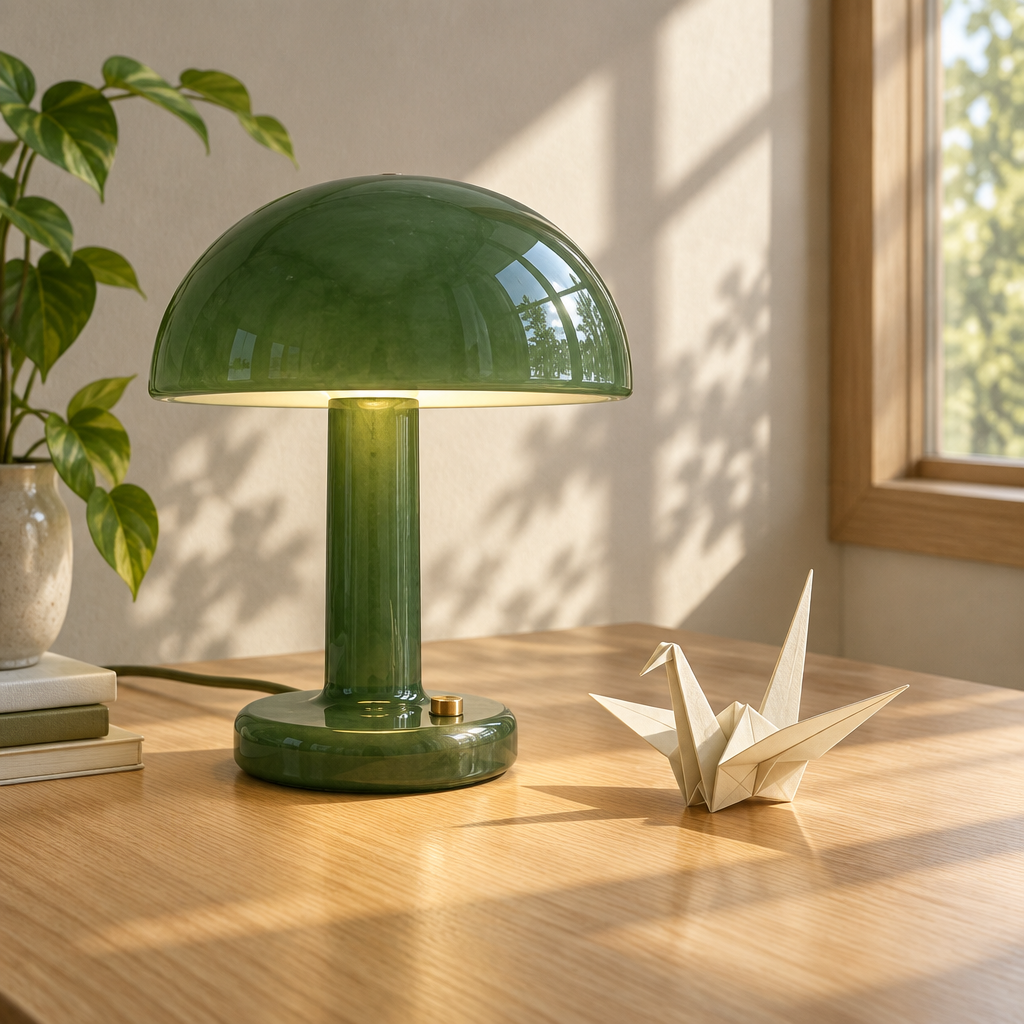
 SpringWangGPT Image 2.5
Original editorial still life for a creative workflow test: a small jade-green glass desk lamp on a pale oak table, one folded cream paper crane beside it, warm morning sunlight, clean composition, realistic materials, no people, no text, no logos, 1:1 square image.A minimalist 1:1 square still life featuring a small jade-green glass desk lamp on a pale oak table, paired with a single folded cream paper crane, lit by warm morning sunlight.
Image prompts and examplesProduce a clean, people-free editorial object image for a creative workflow test: showcasing realistic materials — translucent glass, folded paper, pale wood — within an uncluttered composition, with no text or logos.
Anchor the scene with one clear central subject: the small jade-green glass desk lamp resting on a pale oak table. Add exactly one secondary element, the folded cream paper crane, placed beside the lamp to balance the frame without crowding it. Specify the lighting as warm, soft morning sunlight, ideally arriving from the side, so it draws gentle long shadows and catches the glass. Ask for a clean composition and realistic materials, and explicitly exclude people, text and logos. Set the 1:1 square aspect ratio before generating. Review the result: if the lamp reads as opaque, rephrase to emphasise the translucency of the glass; if shadows dominate the frame, soften the morning-light description and regenerate.
The output is a single static image in 1:1 square format, with no animation or alternative crops. The exact appearance of the lamp and the crane depends on model interpretation: glass reflections and paper-fold precision will vary between generations. No people, text or logos may appear, which restricts use to pure object scenes. The perceived colours — jade green, cream, pale oak — are approximations subject to the model's colour drift.