FilmLune · AI generator and gallery
Create stunning AI images and videos with curated prompts.
Understand FilmLune
FilmLune combines an AI image generator with a gallery of image and video examples. Each detail shows the result, available prompt, declared model, and a method you can adapt.
Explore all promptsA readable method
Two ways in
Start with an image example for a still composition, or a video example to study motion, inputs, and duration. Both libraries lead to the same canonical case details.
Useful boundaries
Models and settings describe the visible revision: FilmLune does not silently replace a model during handoff. External work keeps its attribution and source link on the detail page.
Only when that revision’s rights permit it. The detail then preserves the prompt and its provenance; an unavailable action is never replaced with invented content.
No. Model versions, inputs, and settings can change the output. Use the method as a starting point and check the parameters before generating.
 SpringWangFilmLune selection
GPT Image 2.5 · 1:1
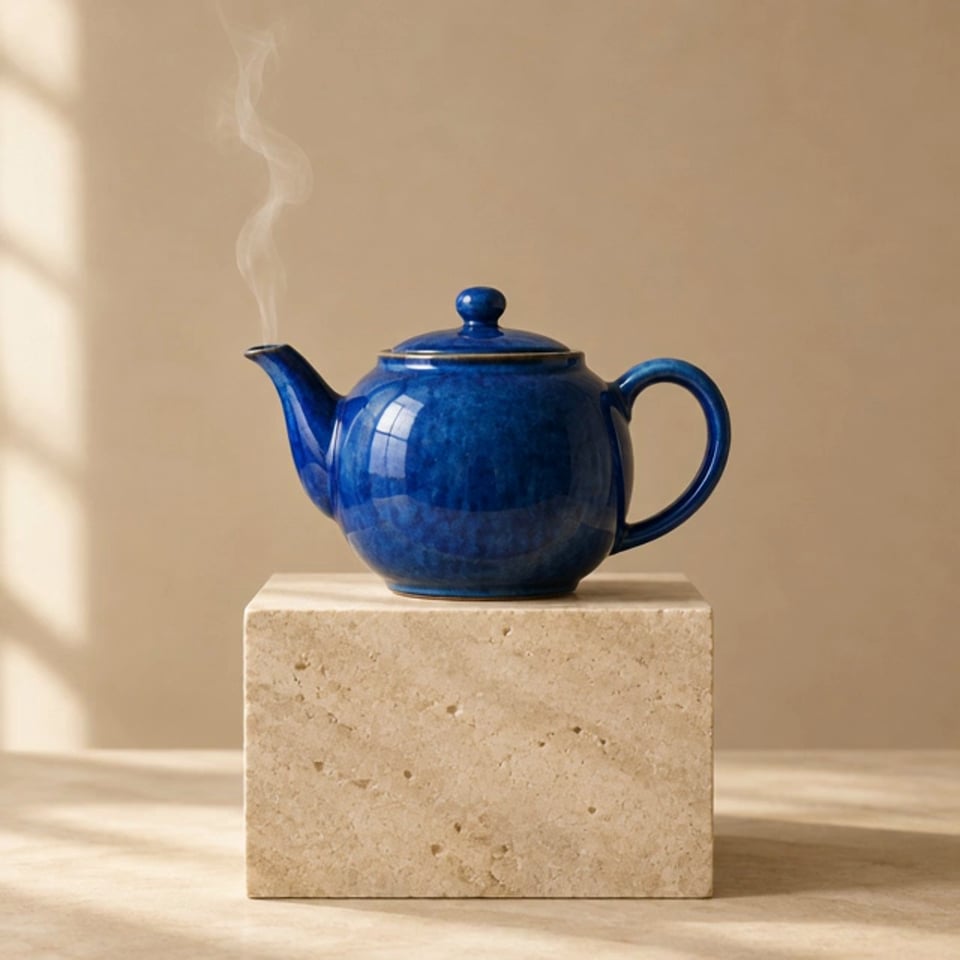
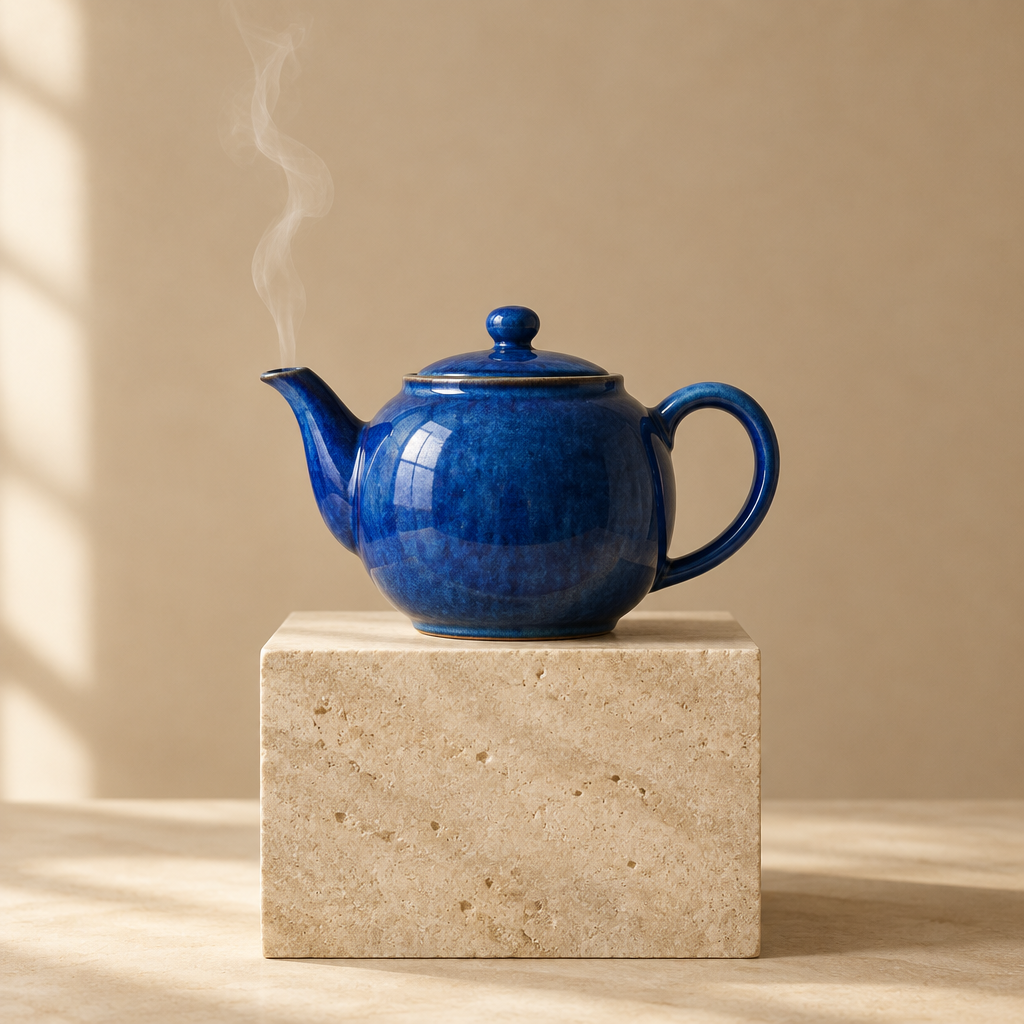
An editorial product-image recipe: a cobalt-blue glazed ceramic teapot resting on a warm ivory limestone pedestal, lit by soft morning window light, with a single plume of steam suggesting fresh service. Square 1:1 frame, generated with GPT Image 2.5.
Create a people-free, logo-free editorial product photograph where the object alone carries the composition: deep blue against warm neutrals, visible material texture (glaze, stone), and one living detail — the steam — that animates an otherwise still scene. Suited to tea or craft brand visuals, homepage imagery, or a square poster.
The composition follows the prompt's ordered logic: 1) Name the subject and treatment ("editorial product photograph"); 2) Specify the exact object — a cobalt-blue glazed ceramic teapot — and its support, a warm ivory limestone pedestal, to create the material dialogue; 3) Add the minimal action element: a single delicate plume of steam rising from the spout; 4) Define the light: soft morning window light from the left, which sculpts texture and yields a gentle natural shadow; 5) Describe the setting: a warm beige seamless studio backdrop with a clean sculptural silhouette; 6) Fix the framing: centered composition with generous negative space in a square 1:1 frame; 7) Close with exclusions: no people, no logos, no lettering.
The image is static: the steam is a frozen visual suggestion, with no duration or animation. The format is limited to the described 1:1 square. Exact rendering of glaze and stone grain depends on the model and may take several attempts. No fidelity to any real existing teapot is implied: this is an interpreted object with no real brand or reference.
SpringWangFilmLune selectionGPT Image 2.5 · 1:1
An editorial product-image recipe: a cobalt-blue glazed ceramic teapot resting on a warm ivory limestone pedestal, lit by soft morning window light, with a single plume of steam suggesting fresh service. Square 1:1 frame, generated with GPT Image 2.5.
Create a people-free, logo-free editorial product photograph where the object alone carries the composition: deep blue against warm neutrals, visible material texture (glaze, stone), and one living detail — the steam — that animates an otherwise still scene. Suited to tea or craft brand visuals, homepage imagery, or a square poster.
The composition follows the prompt's ordered logic: 1) Name the subject and treatment ("editorial product photograph"); 2) Specify the exact object — a cobalt-blue glazed ceramic teapot — and its support, a warm ivory limestone pedestal, to create the material dialogue; 3) Add the minimal action element: a single delicate plume of steam rising from the spout; 4) Define the light: soft morning window light from the left, which sculpts texture and yields a gentle natural shadow; 5) Describe the setting: a warm beige seamless studio backdrop with a clean sculptural silhouette; 6) Fix the framing: centered composition with generous negative space in a square 1:1 frame; 7) Close with exclusions: no people, no logos, no lettering.
The image is static: the steam is a frozen visual suggestion, with no duration or animation. The format is limited to the described 1:1 square. Exact rendering of glaze and stone grain depends on the model and may take several attempts. No fidelity to any real existing teapot is implied: this is an interpreted object with no real brand or reference.